
On this page
Mobility should not reduce review qualityNetwork management changes what you see and sendThe confirmation screen is the final human checkpointDevice security becomes wallet securityimtoken App
Understand the mobile wallet’s role in accounts, networks, balances, transaction review and DApp access without weakening verification habits.
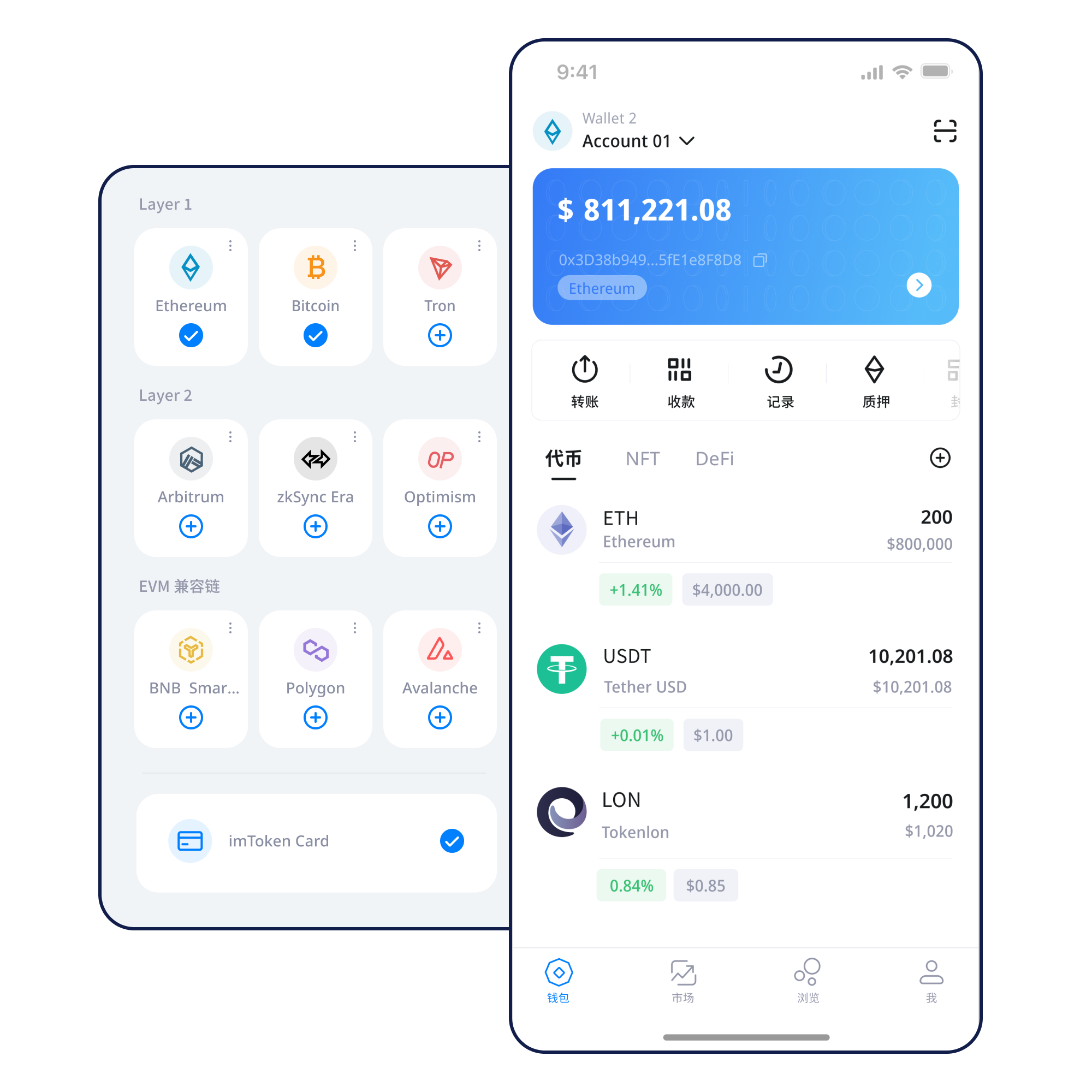
Mobility should not reduce review quality
Start by making the real object of “Mobility should not reduce review quality” explicit. A phone can make accounts and network state easy to access, but a smaller screen can hide domain details, address endings or approval scope. This is not just vocabulary: it tells you where the displayed data comes from, what the next confirmation can change and which facts should be checked on the relevant network. For imtoken App, a familiar name, icon or interface is not enough by itself; network, account and intended action belong in the same decision.
What to verify in practice
A common mistake in this area is treating a plausible screen as complete evidence. A phone can make accounts and network state easy to access, but a smaller screen can hide domain details, address endings or approval scope. Expand and read a request before confirming it. If a request unexpectedly asks for broader permission, a network switch, recovery material or an unexplained signature, stop and verify the source. Declining an action you cannot explain is safer than guessing what a contract or signature might do.
For this part of imtoken App, keep one boundary in mind: Product information should clarify capability boundaries and real use cases rather than make claims that cannot be independently verified. Decisions around “Mobility should not reduce review quality” should be based on the current network, account and request rather than assuming a previous successful action makes the next one trustworthy. On-chain transactions generally cannot be unilaterally reversed by a wallet, and third-party DApps, smart contracts or bridges can introduce separate risks.
Network management changes what you see and send
For imtoken App, a practical review can be split into target, network and result. Balances, fee assets and available applications depend on the active chain. Add network parameters only from sources you trust, and do not assume similar network names make assets directly interchangeable. Then use public on-chain evidence where appropriate: Keep a transaction hash or another public reference for verification. This order reduces the chance that interface familiarity will hide an important detail and makes troubleshooting easier when something looks wrong.
A durable routine does not need to be complicated. For “Network management changes what you see and send”, define the expected action, perform only what is necessary, and verify the result afterward. Balances, fee assets and available applications depend on the active chain. Public references such as a transaction hash, network name or address can help with troubleshooting, while a seed phrase, private key or verification code should stay out of webpages, support tickets and chats.
For this part of imtoken App, keep one boundary in mind: Product information should clarify capability boundaries and real use cases rather than make claims that cannot be independently verified. Decisions around “Network management changes what you see and send” should be based on the current network, account and request rather than assuming a previous successful action makes the next one trustworthy. On-chain transactions generally cannot be unilaterally reversed by a wallet, and third-party DApps, smart contracts or bridges can introduce separate risks.
The confirmation screen is the final human checkpoint
A common mistake in this area is treating a plausible screen as complete evidence. Before approval, review recipient, amount, network fee, contract target and permission scope. If the request differs from what you intended, returning to the previous step is safer than repeatedly trying to push it through. If a request unexpectedly asks for broader permission, a network switch, recovery material or an unexplained signature, stop and verify the source. Declining an action you cannot explain is safer than guessing what a contract or signature might do.
Risk signals worth noticing
Start by making the real object of “The confirmation screen is the final human checkpoint” explicit. Before approval, review recipient, amount, network fee, contract target and permission scope. This is not just vocabulary: it tells you where the displayed data comes from, what the next confirmation can change and which facts should be checked on the relevant network. For imtoken App, a familiar name, icon or interface is not enough by itself; network, account and intended action belong in the same decision.
For this part of imtoken App, keep one boundary in mind: Product information should clarify capability boundaries and real use cases rather than make claims that cannot be independently verified. Decisions around “The confirmation screen is the final human checkpoint” should be based on the current network, account and request rather than assuming a previous successful action makes the next one trustworthy. On-chain transactions generally cannot be unilaterally reversed by a wallet, and third-party DApps, smart contracts or bridges can introduce separate risks.
Device security becomes wallet security
A durable routine does not need to be complicated. For “Device security becomes wallet security”, define the expected action, perform only what is necessary, and verify the result afterward. Use a reliable screen lock and current operating system. Public references such as a transaction hash, network name or address can help with troubleshooting, while a seed phrase, private key or verification code should stay out of webpages, support tickets and chats.
For imtoken App, a practical review can be split into target, network and result. Use a reliable screen lock and current operating system. Avoid screenshots of recovery material or cloud-synced copies, and do not handle a seed phrase while the device is under remote control, recording or screen sharing. Then use public on-chain evidence where appropriate: Keep a transaction hash or another public reference for verification. This order reduces the chance that interface familiarity will hide an important detail and makes troubleshooting easier when something looks wrong.
For this part of imtoken App, keep one boundary in mind: Product information should clarify capability boundaries and real use cases rather than make claims that cannot be independently verified. Decisions around “Device security becomes wallet security” should be based on the current network, account and request rather than assuming a previous successful action makes the next one trustworthy. On-chain transactions generally cannot be unilaterally reversed by a wallet, and third-party DApps, smart contracts or bridges can introduce separate risks.